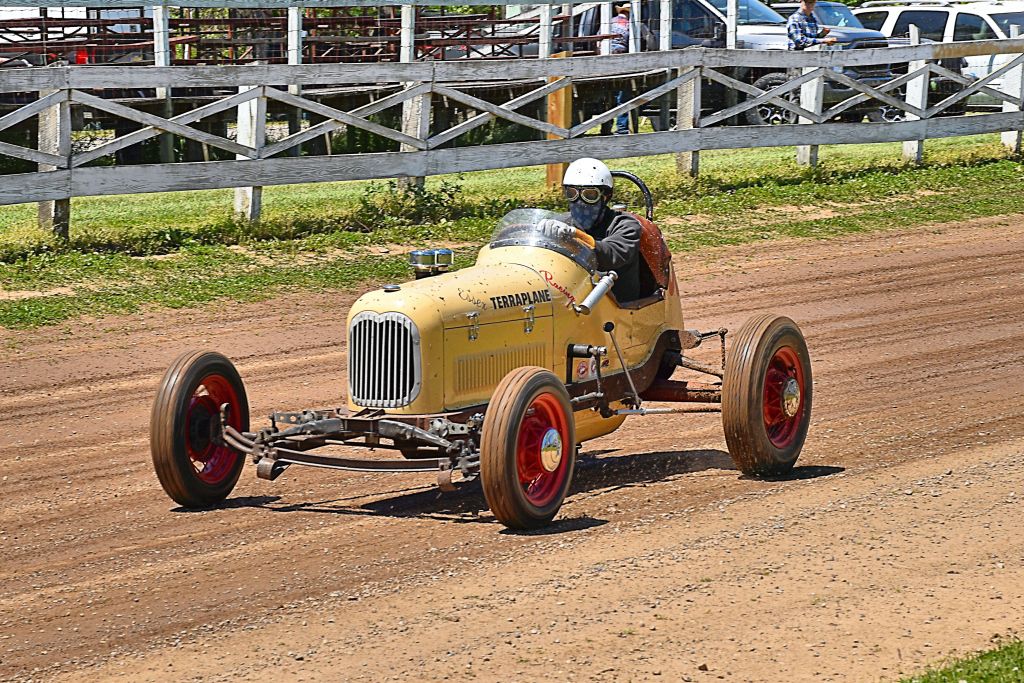
South Mountain Raceway – I remember how it started. South Mountain Raceway track owner, Mike Natoli, drove past me and excitedly asked if I had seen the Terraplane coming in. My reply was that I probably had, but just didn’t know what I was looking at. Sure enough, as I perused the pit area, I came across the outstanding ‘37 Essex Terraplane in the pits. It had caught my eye before, making laps on the dirt track at Latimore, and now I had a chance to learn more about it, knowing the car had to have some history behind it. If you’ve been playing along at home, you know I think the Vintage Eliminator class is the most interesting class in drag racing. What I wasn’t expecting was encountering a driver with far more history than the car, itself. Make yourself comfortable, grab your favorite snack and/or beverage, and meet Robert “Bob” Dauernheim, a fascinating guy with a fascinating background.
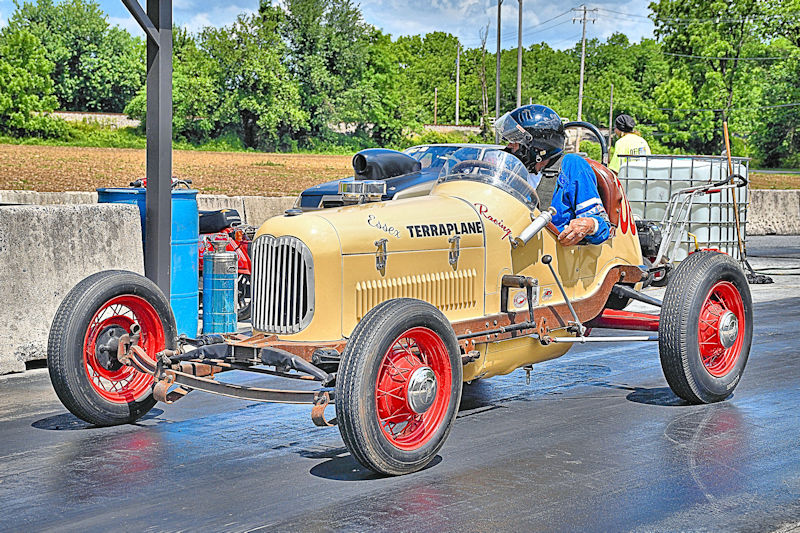
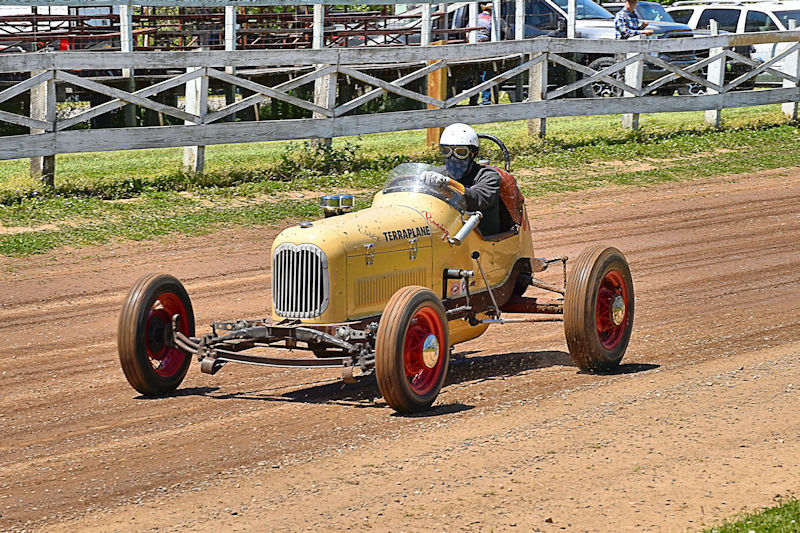
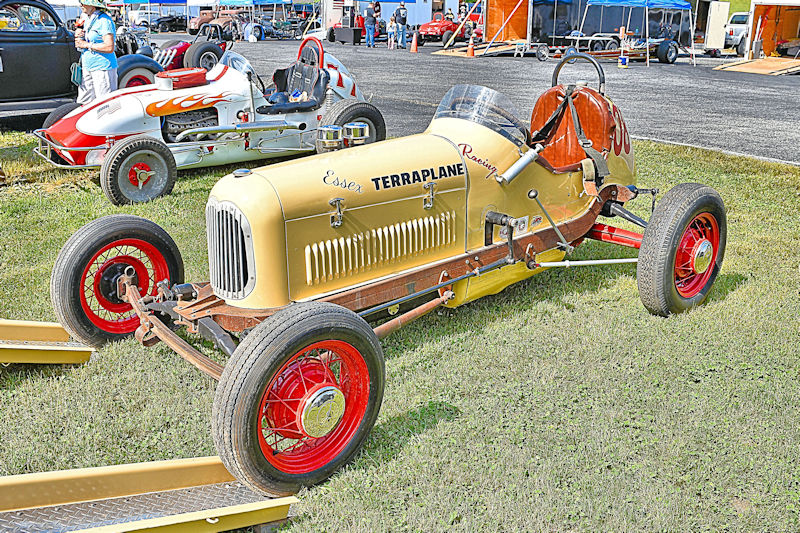
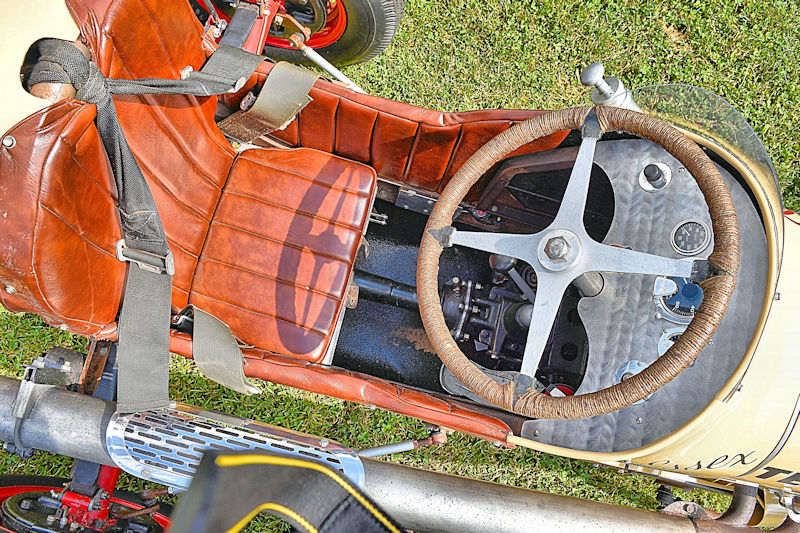
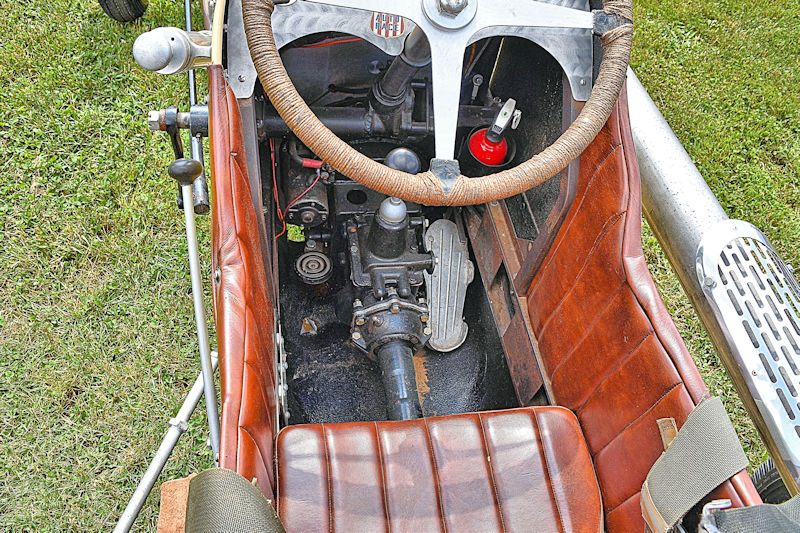
I began by asking Bob about the car. His reply did not disappoint and he immediately started telling the tale of how this particular car came to life. With a big smile, he started, “Let’s start from the beginning. I found the frame and it had a 33 Essex motor in it. The front and the rear end were there and I took it home. I figured if I couldn’t get the Essex going and so forth, I have a GMC and I would have put that in. At any rate, a friend of mine says, ‘Oh I have a 33 Essex’ and he did, he had the whole car, so we took the motor out of his Essex. I had machine work done on it and I assembled it all back in. It’s 247 cubic inches, something like that. It’s a straight 8, the one year that the Essex had the straight eight in it was the 1933. It’s got a V8 rear which probably from the axles and things I put in it, it’s from 37 to 40. The front end is 32, 33, or 34 Ford. It’s got the model A springs. Right now, I have in it a Model A transmission and the reason I have to stick with such a small transmission, and probably weak, is the room in the car. I need a clutch pedal and a gas pedal and with that you can barely get into the frame. The brake is outside. A little gas tank holds like 4 gallons of gas, so I gotta watch that as I go. I have pressurized the cooling system so I can run it pretty hot before anything exciting happens. I’ve got the hydraulic shocks which would have been right. I’m calling it a 1937 car because that’s the idea what they would have looked like probably in that day. Somebody who didn’t have a lot of money, they wouldn’t have had any chrome business on it and somebody could have done a nice job painting it, but it wouldn’t have been too fancy. [It has] 6.00 x 16 tires and 35 [inch] wheels which is all standard stuff in the cars we’ve got here [Vintage Eliminator].
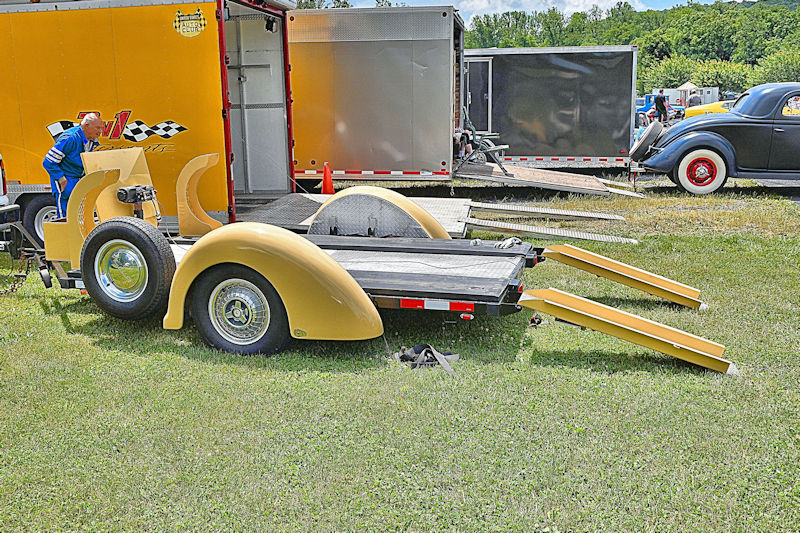
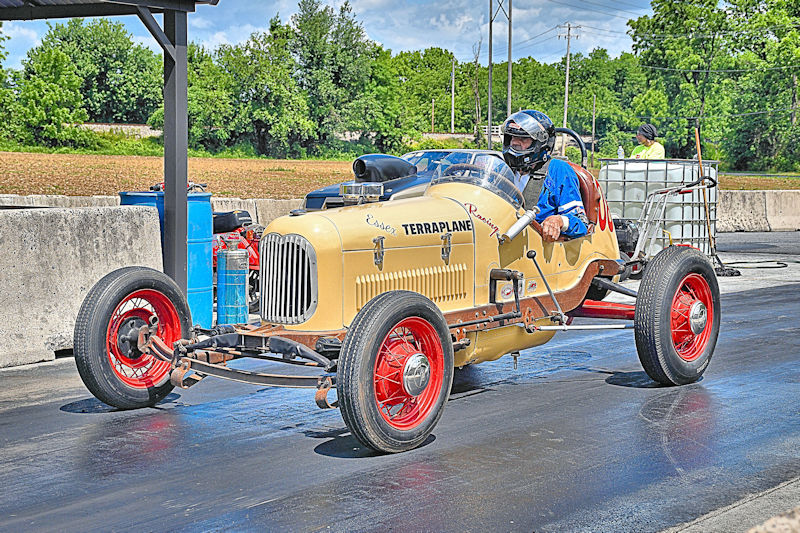
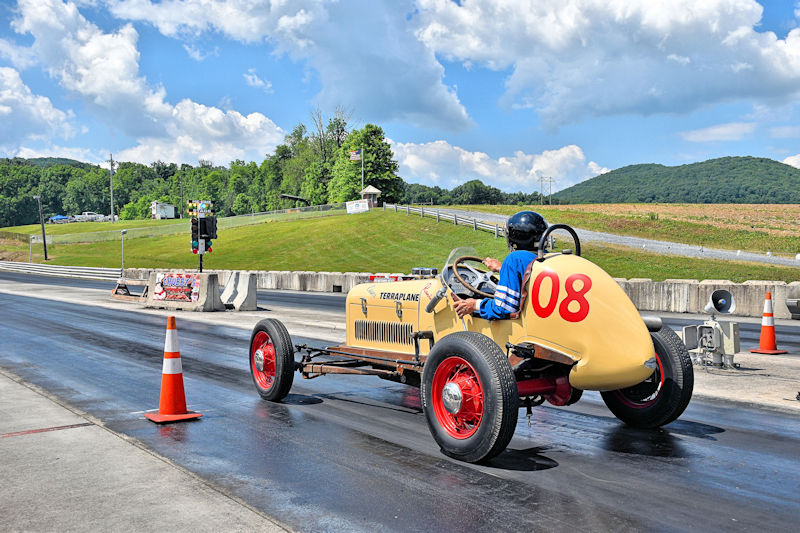
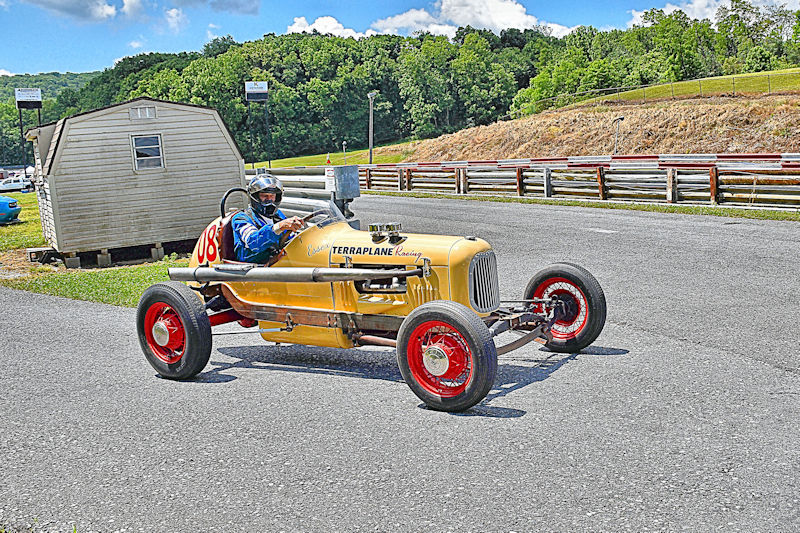
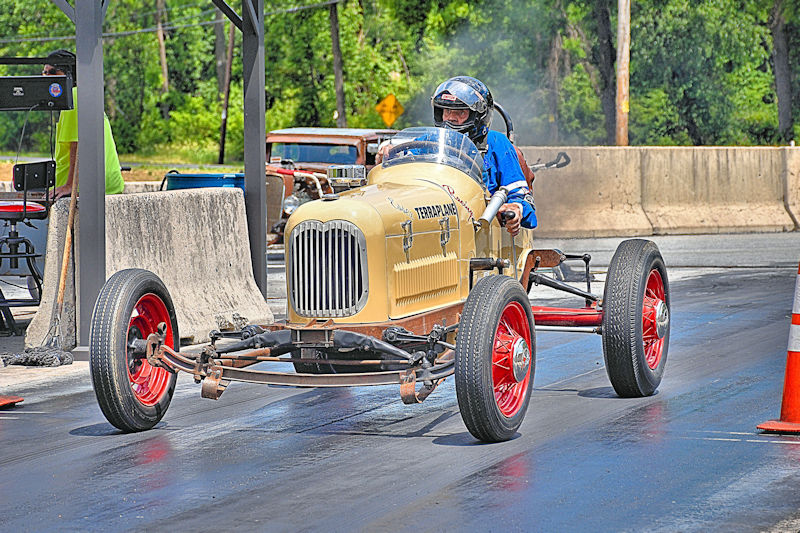
We did the trailer and everything in my driveway but I got another friend of mine who just come over, [he was] much better at it, so he did it. I made the body, when I bought the car it had a buck to make the nose with it so I would think, and I said ‘Well a guy had that in mind when it is whoever and whenever they started. Doesn’t look like it was ever raced. So I used that buck to make the grille, the nose, and then I made the hood and everything to fit the 8-cylinder motor. The tail is a genuine sprint car tail which I got from Keith Majka, a car guy who has all kinds of Offenhausers and that kind of stuff. I got the tail and I want to make…a tail that is much older looking. That tail there would have been after the war, where I’m gonna try and make that longer and the back doesn’t drop as far to come back and then it is kind of straight. Probably the first 2 years after the war they look like that cause they weren’t building new cars so it wasn’t till ’48, ‘49 that they started the headrest and anything like that. That one had a headrest, I cut it off and made it at least look like that. It’s a more modern thing, switching to hydraulic brakes, which was ‘40 or newer. If it was built in 1937, it would have had some sort of mechanical brakes more than likely. For this Essex motor you can’t buy anything, so that means if you can’t make it you don’t have it. So far I’ve had to make exhaust, intake, bell housings to put the transmission on and all this kind of stuff to get this and this is my 3rd type of transmission and this is just a Model A transmission because I can’t use anything else wider. This is not stuff you can buy you have to make it.
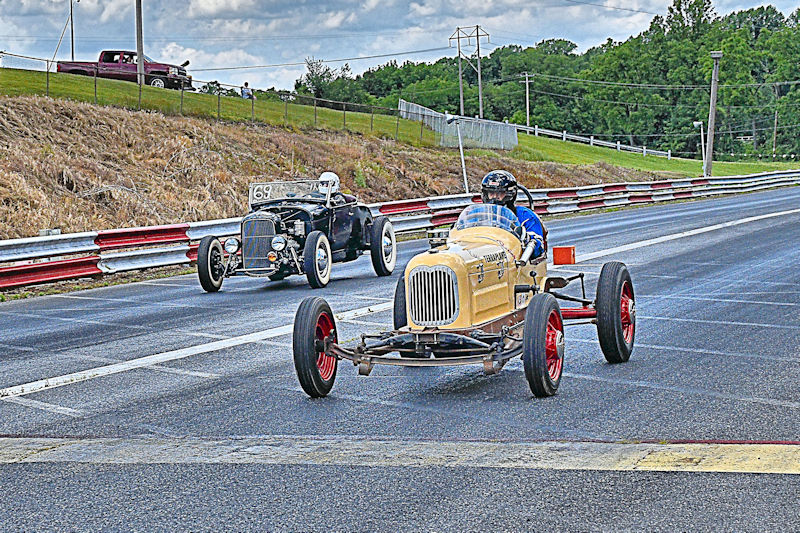
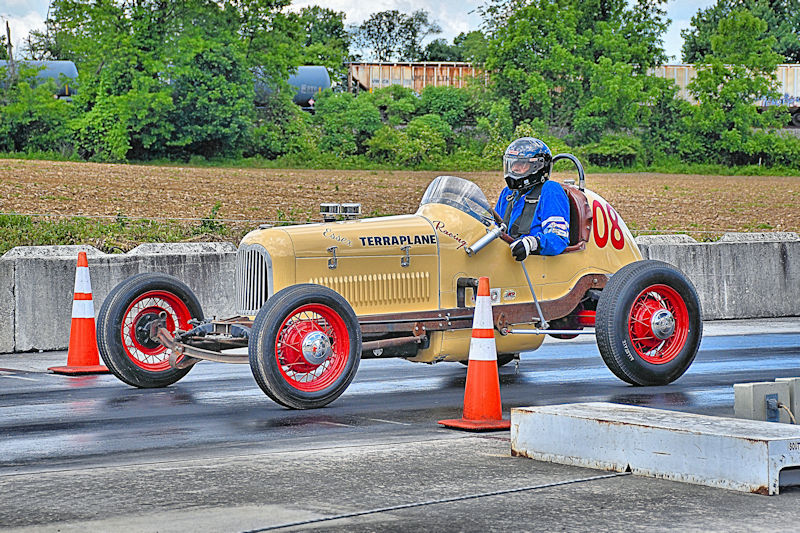
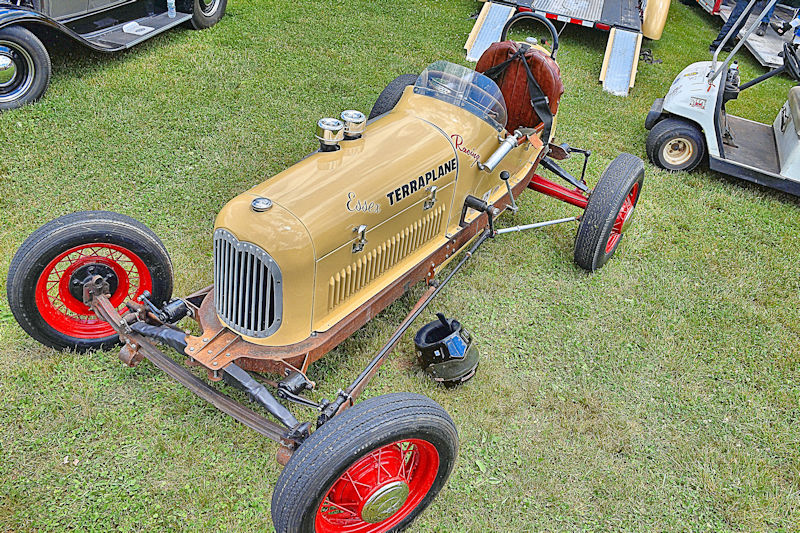
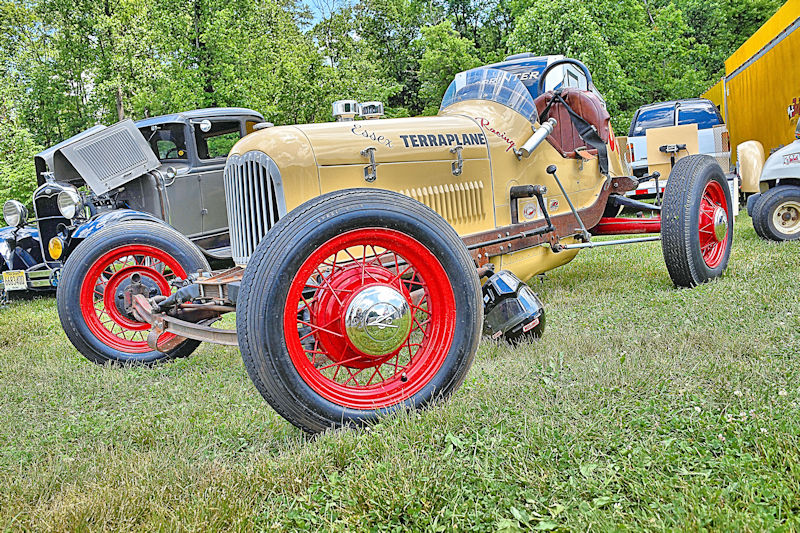
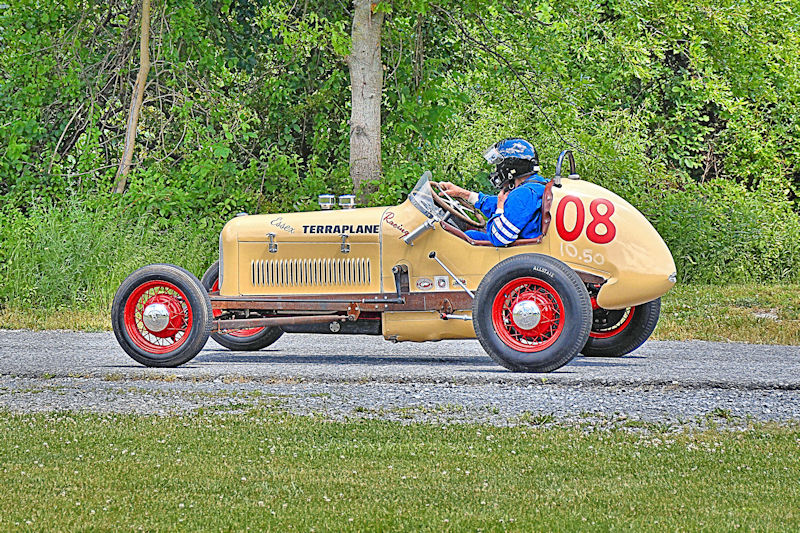
What else can you say other than Bob successfully built the car he set out to build, and it’s a beauty! I then asked him how he got interested in racing, and that’s when the surprises and history started to flow. He had a slight chuckle as he started to recall his beginnings, and the story is a fantastic example of someone who was around to build the sport from the ground up. With a twinkle in his eye, he began, “Oh, gee whiz! I’m 87 years old, so I started when this business started! I basically raced in the ‘50s and my brother and I started messing with cars and hot rods and stuff and my father’s told her [his mother] that ‘they’ll get over it.’ Well here you are a few years later and none of us got over it. I had a blown Chrysler in a street roadster. I won Indy, the class, in 1965 with that car. We ran quite a few rounds and finally I ran too fast out of the Eliminator. I decided at that point that this was too smart for me, I didn’t know how to do that, so we went to a fuel dragster. Van Iderstine and Dauernheim was the name of the car and we raced many of these tracks here. That would have been from 1965 to the end of the ‘60s maybe even into the early ‘70s. What happened with AA/Fuel Dragsters, which happened to a load of them, we had a front engine car with a 392 motor in it and by the end of the year [it]was completely obsolete. The motor was obsolete. We were all rear engine cars so you had nothing, you were either were in or out. If you were in you were starting with another car, if you were out you were out. By that time, my brother and I were raising families so we just let that sit for a while.”
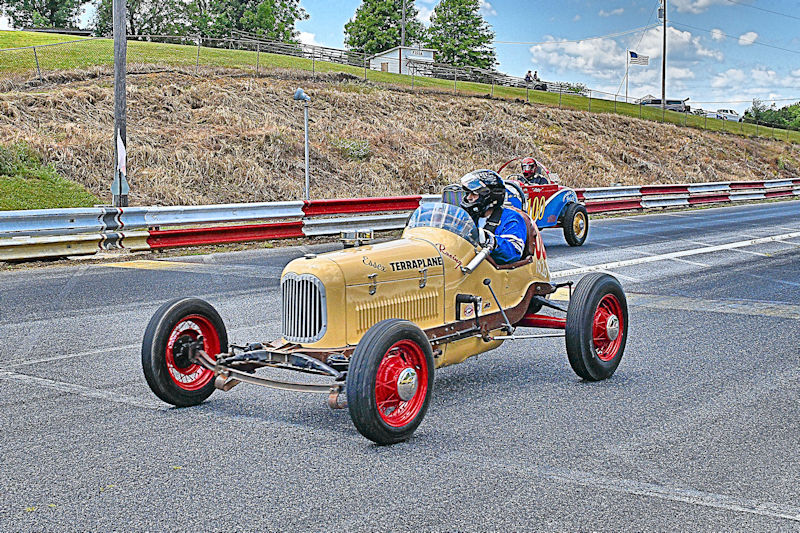
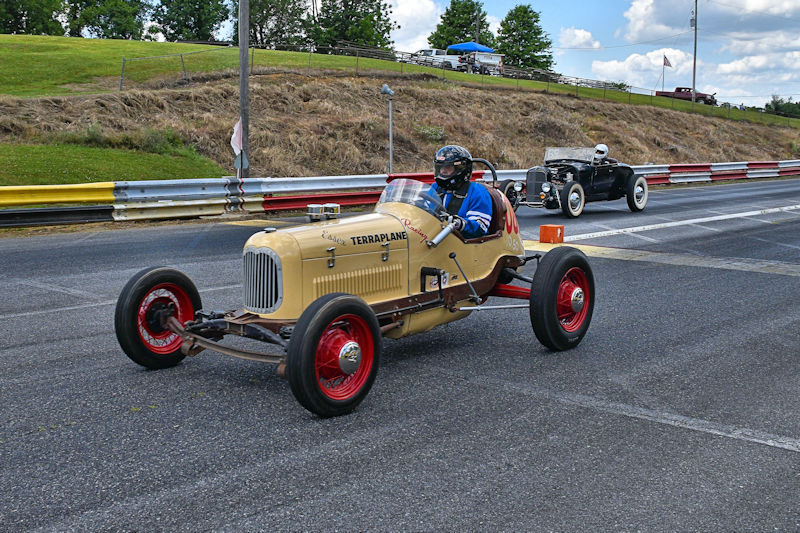
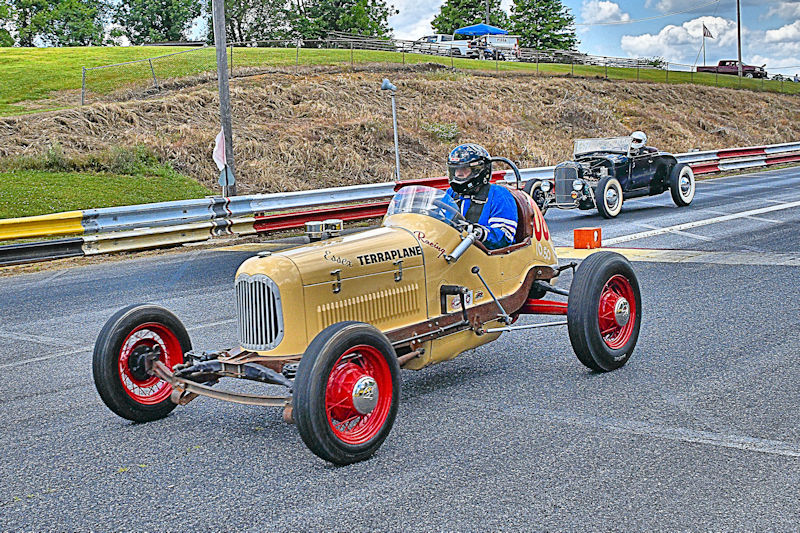
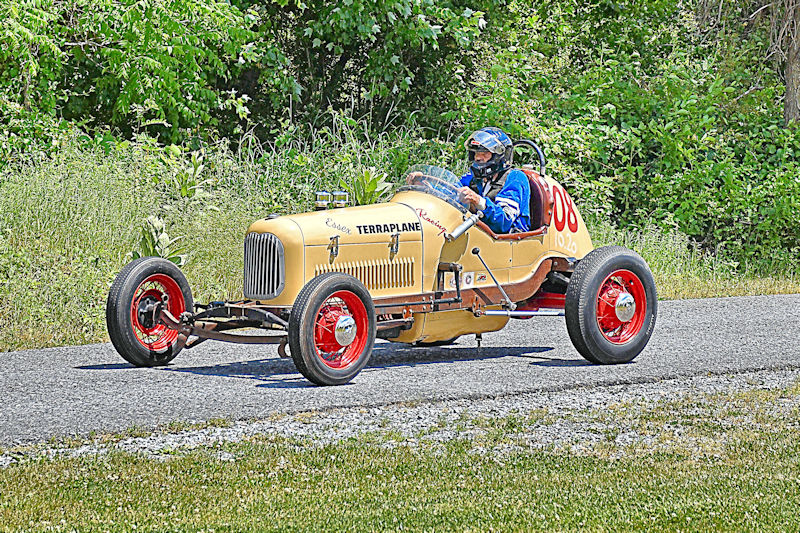
You’d think Bob had a pretty good run with going fast drag racing and it would be the end of the story, but you’d be wrong. He continued, “Many, a few years later, in between there I always have a street rod of all types, and then I started with Bonneville about 1999, ‘98 and we ran a Lakester. After a few years I had the record in D/Gas Lakester and then we decided we wanted to go faster and I built one with a 582 cubic inch motor and that was a 300 mile an hour car. We went many times, though I never got the record, but we went many times over the record and if you know about Bonneville, you have to do it many a time to get a record. That car, the driver, and myself we kind of timed out, just got a little too old for 300 mile an hour cars and the car has been sold. That brings us up to yesterday when I sold the car. I’ve been around long enough to see history.”
We could say Bob Dauernheim has lived an incredible life, but we’d be wrong. At 87 years YOUNG, Bob Dauernheim is still LIVING an incredible life! We should all follow his example!
DF Motorsports Magazine is a Summit Racing Equipment affiliate. Please use the links below to place your Summit order and support this site! Thank you for your support!


Leave a Reply